International Online Gambling Comparisons: Key Factors in Platform Selection
Written by Vera Klein · Oct 23, 2026
International Online Gambling Comparisons: Key Factors in Platform Selection
Online gambling comparisons serve as structured resources that allow users to evaluate operators across regions based on licensing, game variety, payment options, and promotional structures, with data from multiple jurisdictions indicating steady expansion in digital wagering participation through 2026.
Core Elements of Effective Comparisons
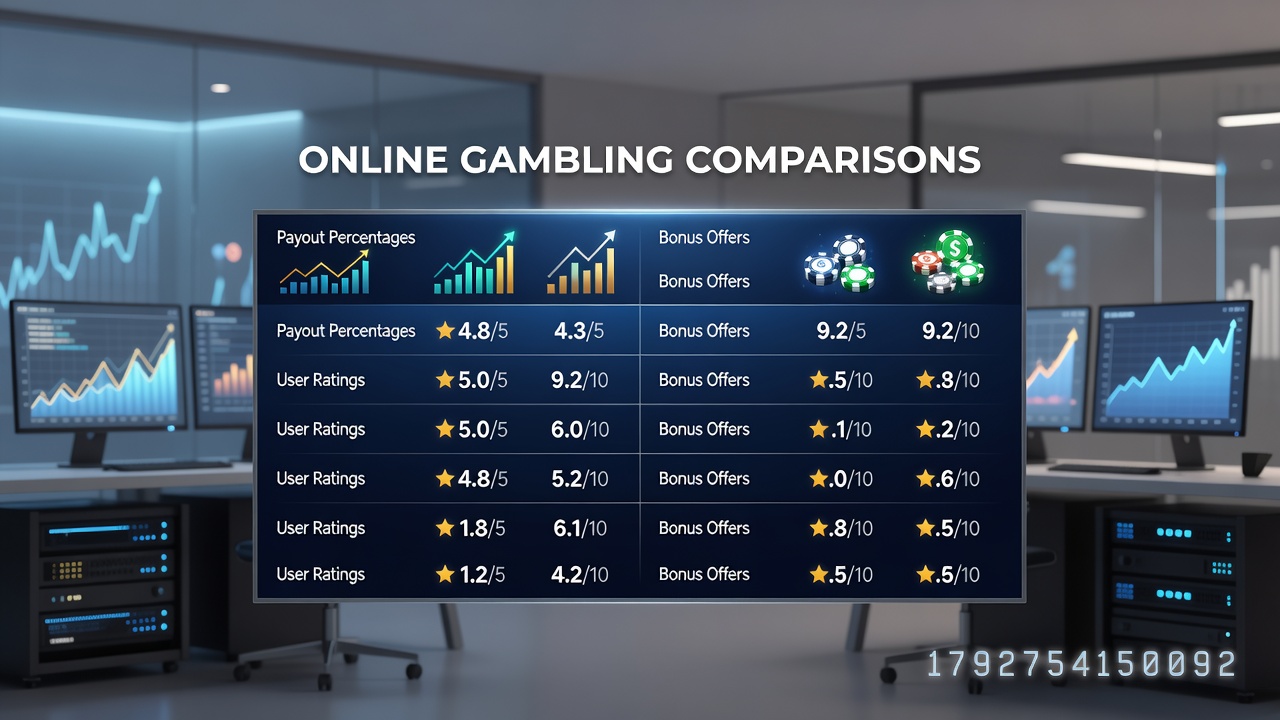
Researchers at academic institutions have documented that successful comparison frameworks typically assess licensing from bodies such as state regulators in the United States and provincial authorities in Canada, while also tracking software providers and security certifications. Observers note that platforms often present side-by-side metrics on payout percentages, which studies from independent testing agencies show range between 94 and 98 percent for certified slots and table games, and these figures help users identify operators meeting specific return thresholds.
Payment processing represents another focal point, with comparisons highlighting supported methods including bank transfers, e-wallets, and cryptocurrency options that have gained traction in markets like Australia and parts of Europe. Data from industry reports indicate transaction speeds vary significantly, with some systems completing deposits in under five minutes while withdrawals may require 24 to 72 hours depending on verification protocols.
Regional Regulatory Influences on Comparisons
Regulatory environments shape how comparison sites present information, as evidenced by frameworks in the European Union that mandate clear disclosure of bonus terms and responsible gaming tools. In October 2026, updates to certain state-level rules in the US continued to emphasize age verification standards, prompting comparison resources to incorporate real-time checks on operator compliance status. Those who monitor these shifts have observed that sites covering multiple jurisdictions often include filters for local currency support and tax implications, which differ notably between North American and Asian markets.
Take one analysis from the American Gaming Association which revealed that remote betting revenues in regulated US states reached new quarterly peaks during the summer of 2026, driven partly by expanded mobile access and live dealer integrations. Comparison tools responded by adding sections on app performance and in-play betting interfaces, allowing users to cross-reference features across operators licensed in different states.

Promotional Structures and Player Protections
Bonus evaluations form a central component of many comparison platforms, where terms such as wagering requirements, maximum bet limits, and eligible game contributions receive detailed breakdowns. Evidence from research papers published by gambling studies centers shows that requirements typically fall between 20x and 50x the bonus amount, with variations tied to game type and operator policy. Users frequently consult these details when comparing welcome packages across sites operating under different oversight regimes.
Responsible gaming features receive increasing attention in comparison matrices, including deposit limits, self-exclusion options, and links to support organizations. Reports from Australian research bodies highlight that mandatory harm minimization tools have become standard in licensed operations, and comparison sites now routinely flag operators providing these resources alongside standard metrics like game libraries exceeding 2,000 titles.
Market Trends and Data Integration
Market data compiled through 2026 indicates continued growth in online participation across multiple continents, with comparison services incorporating live statistics on player volumes and average session durations. Platforms covering international operators often integrate feeds from sources such as the National Council of State Legislatures for US policy updates, enabling users to track legislative changes that affect available markets. What's interesting here is how these tools consolidate fragmented information into searchable formats that account for regional differences in game availability and payout timelines.
Additional layers in modern comparisons include customer support response times and multilingual options, which data indicates influence retention rates in non-English speaking regions. Observers note that sites emphasizing transparency around these elements tend to align with user preferences for verifiable details rather than promotional claims alone.
Conclusion
Online gambling comparisons continue to evolve by integrating regulatory updates, performance metrics, and regional specifics into accessible formats that support informed evaluations across global operators. Figures from diverse oversight bodies and research groups demonstrate consistent demand for such resources as digital markets expand through late 2026 and beyond.