Examining Connections Between Digital Wallets and Multi-Game Loyalty Systems in Interactive Platforms
Written by Parker Patterson · Aug 26, 2026
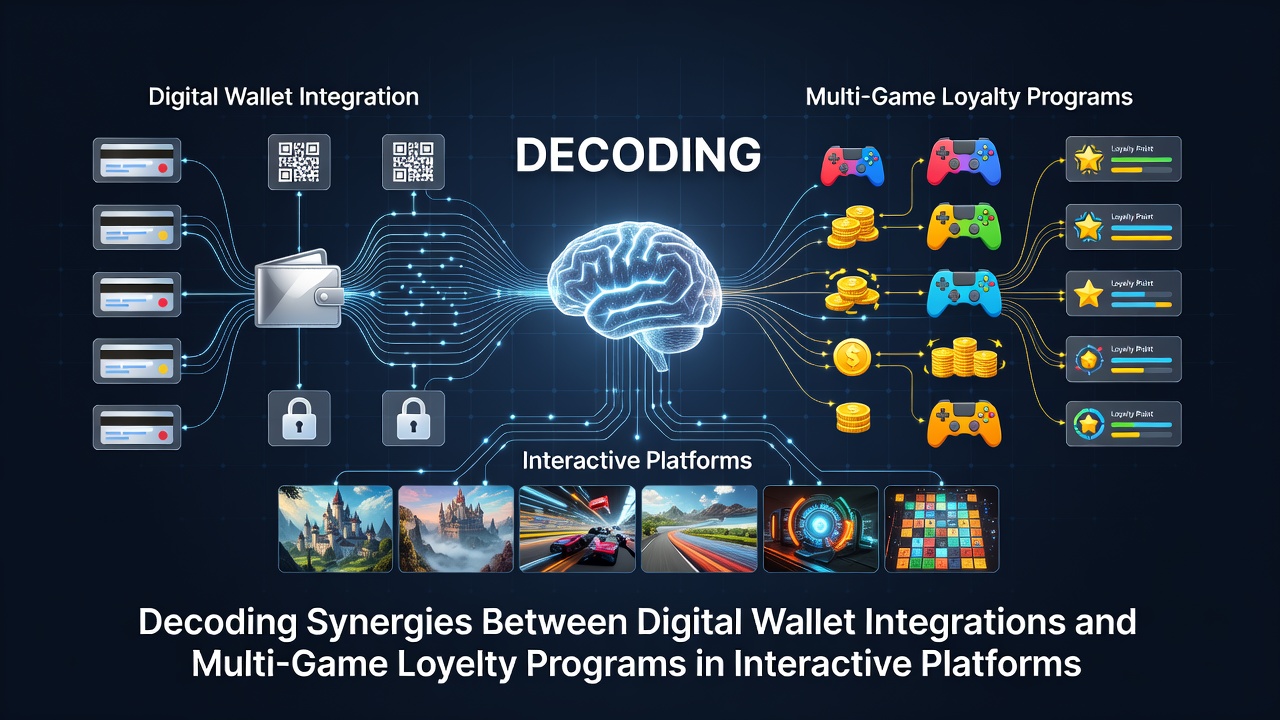
Examining Connections Between Digital Wallets and Multi-Game Loyalty Systems in Interactive Platforms
Interactive platforms combine digital wallet features with multi-game loyalty programs to create streamlined user experiences across gaming environments, and this integration allows participants to manage funds and rewards through unified interfaces while data from transactions feeds directly into point accumulation systems. Operators deploy application programming interfaces that link payment processors to loyalty databases so that deposits, withdrawals, and in-game purchases update reward balances in real time without separate logins or manual entries.
Core Components of Digital Wallet Integration
Digital wallets such as those offered by established providers enable instant transfers that reduce processing times compared with traditional banking methods, and platforms record each transaction to calculate loyalty tiers automatically. These systems support multiple currencies and cryptocurrencies in some regions, which broadens access for users who prefer varied funding sources while maintaining compliance with regional financial regulations. According to reports from the European Gaming and Betting Association, wallet adoption rates have risen steadily as operators prioritize faster settlement and enhanced security protocols like tokenization and two-factor authentication.
Security measures include encrypted data exchanges between wallets and platform servers, and these protocols help prevent unauthorized access while logging every interaction for audit trails. Observers note that platforms often embed wallet functions within loyalty dashboards so users view balances, pending rewards, and redemption options side by side, which minimizes friction and encourages continued engagement across different game categories.
Structure of Multi-Game Loyalty Programs
Multi-game loyalty programs assign points based on activity across slots, table games, live dealer sessions, and sports betting modules, and the points convert into tier status or redeemable credits that apply universally rather than within single titles. Tier progression typically depends on cumulative spend or play volume over defined periods, and higher tiers unlock benefits such as bonus multipliers, exclusive events, and priority support. Research from industry bodies indicates that cross-game tracking increases retention because participants pursue rewards through diverse activities instead of concentrating on one format.
Redemption mechanisms range from direct credit to game accounts to physical merchandise or event access, and integration with digital wallets allows instant conversion of points into spendable funds that users transfer out or use immediately for further play. This setup creates closed-loop economies where rewards stay within the ecosystem yet feel flexible due to wallet speed.
Synergies Emerging from Combined Systems
When digital wallets connect to loyalty engines, platforms achieve automated reward crediting that reflects real-time activity, and this linkage lets users redeem points as wallet credits without leaving the app or site. Data flows from wallet transactions inform personalized offers, such as targeted bonuses for specific games that align with a user's historical patterns, while loyalty algorithms adjust point rates based on deposit frequency or average transaction size.
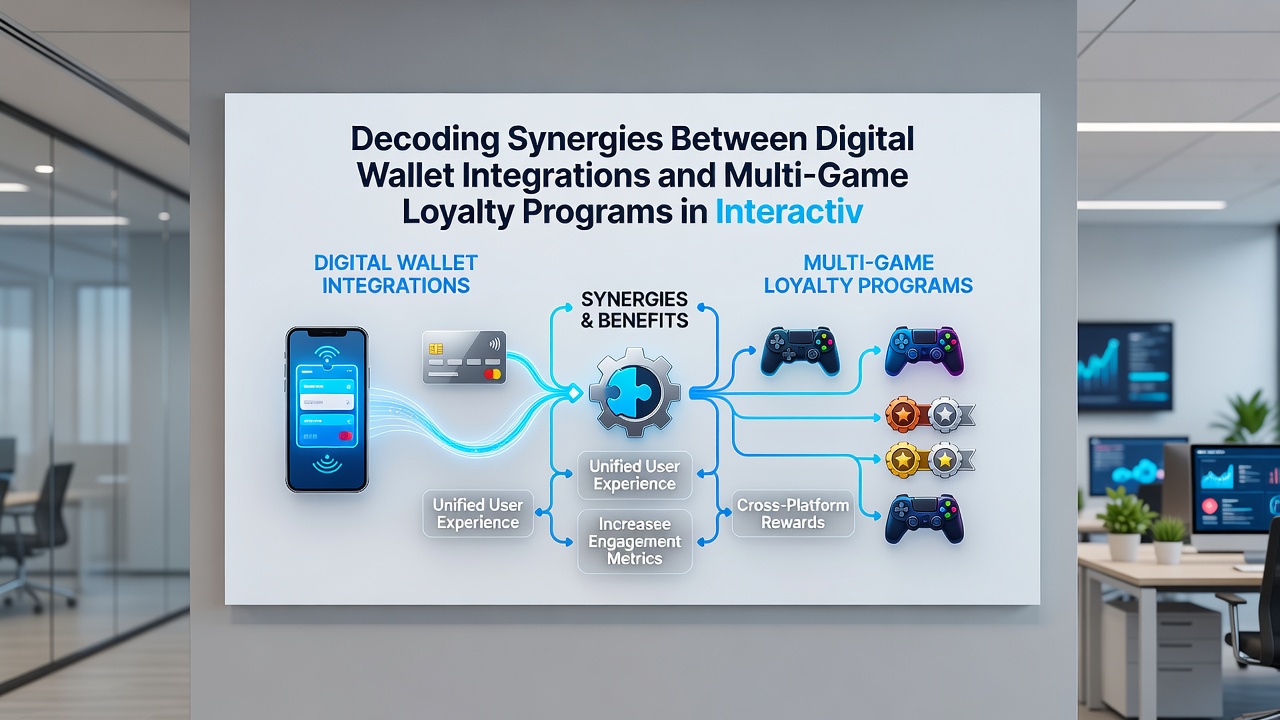
One platform that expanded its wallet options in 2025 reported higher average session lengths because participants could fund accounts quickly and apply loyalty credits without interruption, and similar patterns appear in markets where regulators permit seamless payment and reward flows. What's interesting is how these integrations support responsible gaming tools, since wallet limits and loyalty dashboards display spending summaries together so users track activity across all linked games.
Geographic variations exist, with platforms in North America often emphasizing cryptocurrency wallet options alongside traditional methods, whereas European operators focus on regulated e-wallets that meet strict data protection standards under frameworks like GDPR. A study referenced by the Responsible Gambling Council in Canada highlighted that combined systems improve transparency because transaction histories and reward histories appear in single reports accessible via mobile apps.
Technical Implementation and Data Flow
Developers use secure APIs and middleware to synchronize wallet ledgers with loyalty databases, and this architecture supports batch processing during peak times while handling individual transactions instantly. Encryption standards and regular penetration testing maintain integrity, and compliance teams audit these connections to ensure adherence to financial and gaming regulations across jurisdictions. Observers note that successful implementations reduce support ticket volumes because self-service options within the integrated interface resolve most balance and reward queries.
Analytics derived from combined data sets reveal patterns such as preferred payment methods among high-tier loyalty members, and operators apply these insights to refine both wallet promotions and point earning rates. In August 2026, several platforms updated their systems to include biometric wallet authentication, which further streamlined access while strengthening security layers that protect loyalty balances.
Conclusion
Digital wallet integrations and multi-game loyalty programs intersect through shared data pathways and user interfaces that deliver convenience and continuity across interactive platforms, and the resulting synergies manifest in faster transactions, unified tracking, and adaptable reward structures. Continued technical refinements and regulatory alignment determine how these elements evolve, with evidence from multiple regions showing measurable impacts on user activity and operational efficiency when the systems operate in tandem.