Comparison Websites as Guides in the Online Gambling Landscape
Written by Sofia Müller · Nov 20, 2026

Comparison Websites as Guides in the Online Gambling Landscape
Comparison websites serve as central hubs where individuals review side-by-side details on casino games, sportsbooks, and bonus structures, while they also highlight licensing standards from multiple authorities around the world, and these platforms gather data on payout speeds along with user interface quality to support informed selections across different markets.
Core Functions of Evaluation Platforms
Users access aggregated information on welcome offers, game libraries, and payment methods through structured tables that update regularly, and observers note how such sites filter options by geographic restrictions, regulatory approvals, and mobile compatibility, which allows quick narrowing of choices without manual cross-checking on individual operator pages.
Research from industry reports indicates steady growth in traffic to these tools, particularly as new entrants join established markets, while features like real-time odds comparisons and withdrawal time trackers add layers of utility that go beyond basic listings, and data shows participation in remote gambling holds steady even as site interfaces evolve to include video reviews and interactive calculators.
Regional Variations in Platform Use
Operators in North America adapt listings to reflect state-specific rules, whereas European platforms emphasize cross-border licensing nuances, and Canadian data from Statistics Canada reveals patterns in how comparison tools correlate with higher engagement in provinces where online options expanded recently, which helps explain why localized filters appear on many sites.
Australian sources such as the Australian Communications and Media Authority track similar trends, noting that comparison services often incorporate responsible gambling links and self-exclusion resources directly into their layouts, while this integration supports compliance without disrupting the flow of information users seek when evaluating options.
Technological and Market Shifts Observed in 2026
By November 2026 several platforms incorporated AI-driven recommendation engines that analyze past user preferences to suggest suitable sites, and this development coincides with broader adoption of instant verification systems that speed up account creation across reviewed operators, yet security protocols remain a focal point as encryption standards tighten in response to evolving threats.
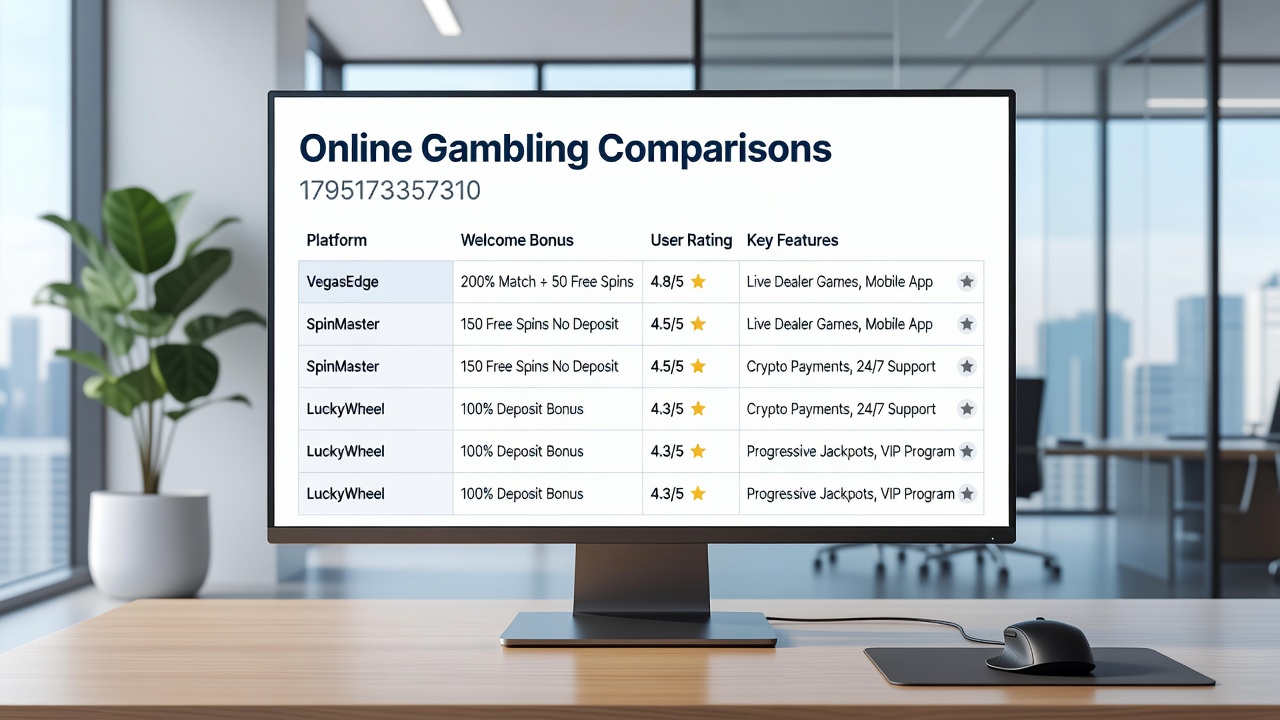
Payment gateway advancements feature prominently in recent comparisons, with emphasis on options that support rapid transfers and lower fees, while case studies from various markets demonstrate how sites highlighting these details attract repeat visitors who value efficiency, and figures reveal that live dealer integrations now appear more frequently in top-rated selections because they blend traditional table games with streaming technology.
Data Patterns and Industry Metrics
Global reports compiled by organizations like the American Gaming Association show remote sector contributions rising steadily, which underscores the value of comparison resources that break down metrics such as average return-to-player percentages and bonus wagering requirements across providers, and these breakdowns often include historical performance data that helps contextualize current offerings without promising outcomes.
Observers note seasonal fluctuations in traffic, particularly around major sporting events, when sportsbooks receive heightened scrutiny through updated comparison charts, while casino sections expand to cover seasonal promotions that align with holidays or tournaments, and this dynamic content approach keeps platforms relevant as operator strategies shift.
Conclusion
Comparison websites continue to evolve alongside regulatory and technological changes, providing structured overviews that connect users with vetted options across jurisdictions, and their role grows as more regions formalize online frameworks, which ensures these tools remain practical resources for navigating available choices based on verifiable criteria like licensing, features, and transaction details.